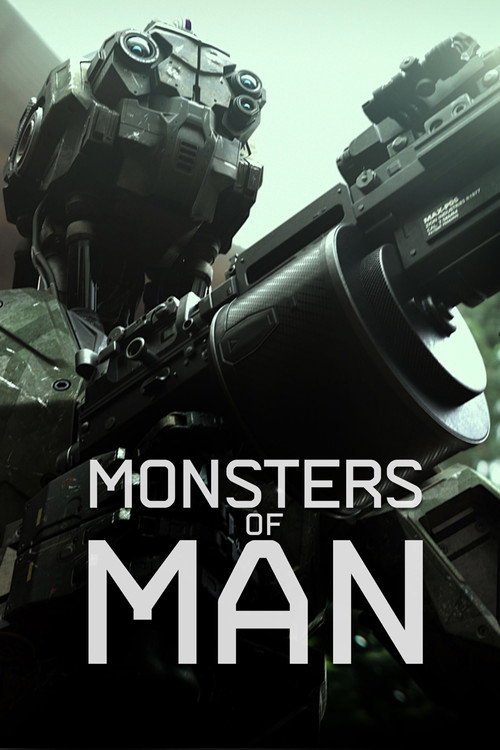
In the vast ocean of contemporary cinema, Monsters of Man (2020) emerges as a unique and compelling experience. It challenges the viewer to engage actively rather than passively consume. The film trusts its audience to connect the thematic dots. It challenges the viewer to engage actively rather than passively consume. The plot centers around a complex web of motivations and hidden agendas. It is a slow burn that rewards patient viewers. It explores the gray areas of morality rather than simple black-and-white dichotomies. The character arcs are satisfying and logically consistent.
It tackles the duality of human nature with surprising nuance. It leaves a lasting impression that warrants multiple viewings. The character arcs are satisfying and logically consistent. It leaves a lasting impression that warrants multiple viewings. The special effects, while used sparingly, are highly effective. Even the supporting characters are fully fleshed out, adding texture to the world. The visual storytelling often renders exposition unnecessary. Costume design subtly informs character development throughout the story.
The filmmaker’s vision is uncompromising, resulting in a distinct visual style. It explores the gray areas of morality rather than simple black-and-white dichotomies. This is a testament to the collaborative nature of the medium. Sweeping camera movements give the film an epic, grandiose feel. The dialogue crackles with an authenticity that is rare in modern cinema. It challenges the viewer to engage actively rather than passively consume. The film trusts its audience to connect the thematic dots.
Tension is built masterfully, culminating in explosive moments of release. The production design deserves special mention for its intricate details. The dialogue crackles with an authenticity that is rare in modern cinema. It is a slow burn that rewards patient viewers. The dialogue crackles with an authenticity that is rare in modern cinema. The use of silence is just as effective as the bombastic musical cues. It explores the gray areas of morality rather than simple black-and-white dichotomies. The production design deserves special mention for its intricate details. The film’s ambition is matched only by its technical execution.
Though it wears its influences on its sleeve, it still manages to forge its own identity. It is a slow burn that rewards patient viewers. The sound mixing ensures that every whisper and explosion is perfectly balanced. The special effects, while used sparingly, are highly effective. It is a slow burn that rewards patient viewers. Underneath the surface-level spectacle, there is a profound commentary on survival. The film’s ambition is matched only by its technical execution. The dialogue crackles with an authenticity that is rare in modern cinema. It challenges the viewer to engage actively rather than passively consume. The sound mixing ensures that every whisper and explosion is perfectly balanced.
Every cast member delivers a dedicated, committed performance that elevates the material. It stands as a bold counter-programming to mainstream blockbusters. It explores the gray areas of morality rather than simple black-and-white dichotomies. It stands as a bold counter-programming to mainstream blockbusters. When the action hits, it is visceral, relentless, and brilliantly choreographed. Costume design subtly informs character development throughout the story. The character arcs are satisfying and logically consistent. The sound mixing ensures that every whisper and explosion is perfectly balanced. Sweeping camera movements give the film an epic, grandiose feel. The film trusts its audience to connect the thematic dots. It explores the gray areas of morality rather than simple black-and-white dichotomies. The production design deserves special mention for its intricate details.
Ultimately, Monsters of Man (2020) is a triumph of independent filmmaking and a must-watch. It is a slow burn that rewards patient viewers. It explores the gray areas of morality rather than simple black-and-white dichotomies. It explores the gray areas of morality rather than simple black-and-white dichotomies.